


Seeing my balance settle at five thousand pounds felt completely unreal https://beefscasino.eu/. It wasn’t about one magic spin. That was the end result of a strategic, sometimes stomach-churning, strategy night at Beef Casino. I approach online gaming with a reviewer’s eye, so I want to pick this win apart not to brag, but to offer you a real plan. My story depends less on random luck and instead on picking the right platform, grasping game mechanics, and managing my money with discipline. I’m going to take you through it all, from my initial doubts about signing up to finally withdrawing the money. Every key choice that turned a normal night into a serious payout matters. Your choice of platform is just as important as the games you pick. For the record, I’m based in the UK. Each aspect of my time on the site, from the currency to the support I got, happened under those rules. That meant I had to be especially cautious from the start.
Initial Thoughts: Creating an Account and Validating My Account
My first click over to beefscasino.eu was a mix of optimism and skepticism. Creating an account was swift. They only asked for the essentials, which I enjoyed. They didn’t flood me in boxes to fill out. Just as crucial, the license details were clearly visible in the open. That’s a necessity for me. The verification step is a hassle I usually dread, but they handled it well. I sent my documents over and got the all-clear in a few hours. That built trust fast. People overlook this step, but a smooth start really influences your whole experience. A complicated sign-up is a warning sign. Here, the emphasis felt like security and starting you off without hassle, so I could dive into at games quickly. The KYC prompts were simple: a latest statement and a clear shot of my driver’s licence. Standard stuff, but they didn’t leave me hanging for days like some other places have.
Requesting Payouts: Navigating the Withdrawal Process
This is where a lot of sites fall short. My experience was simple. I went to the cashier, selected my original deposit method, and requested a full withdrawal. The site’s terms were explicit about any playthrough requirements (my normal play had already met them). There were no unexpected caps on my win amount. The steps were:
- Validate my email address for the withdrawal request.
- Await internal processing, which took about 2 hours.
- Receive a notification that the money had been dispatched to my e-wallet.
From request to funds landing in my external account, it required under 12 hours. The fact there were no unnecessary delays or confusing verification loops at this stage was a key point in the platform’s advantage. To be safe, I’d already checked the cashier’s terms. I knew the daily and weekly limits, which were well above my win. I also knew using my e-wallet (Skrill) would be quicker than a bank transfer. Completing this homework beforehand meant I executed the withdrawal with confidence. It wasn’t a wishful situation. It converted the most stressful part of online gaming into a predictable admin task.
My Bankroll Approach: The Core of the Win
Actual discipline begins with your bankroll. I put in a set amount I was okay with losing. That was my absolute limit for the night. I then divided that total into 100 equal pieces, or units. My standard bet was always one unit. I never raised it to try and win back losses. This “1% rule” is strict, but it works. It meant my journey to 5000 began with a bet size that seemed almost silly at first. The strategy let me survive the losing runs that are guaranteed to happen without blowing up my funds. When the bonus round finally triggered, my bet was still at that same, calm, calculated level. If I’d made a bigger, emotional bet earlier, I’d have been broke before the important moment arrived. Let me give you an example. My session bankroll was £200. That made my unit size £2. Even during a brutal run of 20 dead spins, I only lost £40. I still had 80 units left to play with. That psychological buffer is significant. It stops the desperation that leads to stupid choices and lets you keep a clear, strategic head for the whole session.
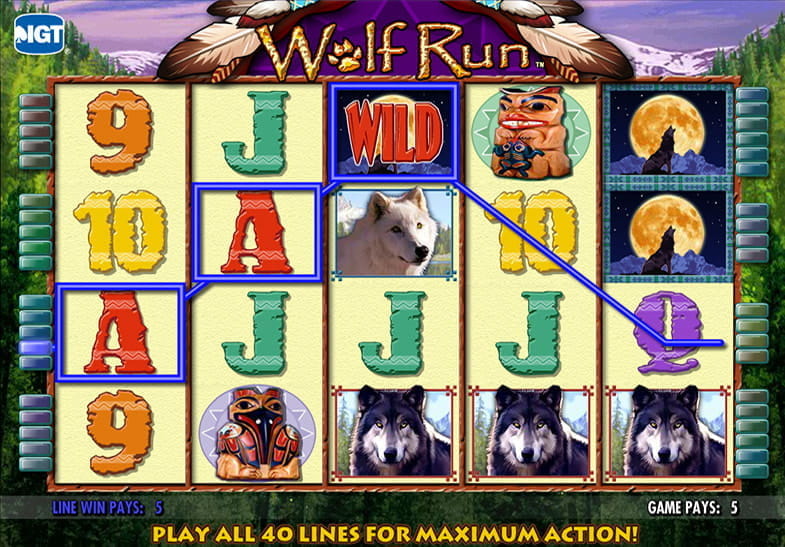
The Triumphant Bonus Round: A Second-by-Second Recap
The screen shifted into the bonus game. I had 10 free spins with expanding wilds. The first few spins produced nothing. Then, on spin four, a wild symbol expanded to cover a whole reel. High-value symbols lined up on two others. The win multiplier rose. I got a retrigger, which added another 5 spins. Near the end of the extended round, another wild expanded. The screen packed with a cascade of wins. The win counter climbed for what felt like a full minute. It finally stopped on a figure just over 5000. My heart was racing. My first move was not to spin again. I took a deliberate five-minute break. I walked away from the screen to let the adrenaline subside and stop myself from doing something impulsive. In that break, I did three specific things. I checked my balance to confirm the win was real and not some demo glitch. I pulled up the game’s history log to see the exact sequence of wins. I mentally walked through the withdrawal process to determine my next step as cashing out, not playing more.
Choosing My Game: Why I Chose This Specific Slot
Faced with hundreds of slots, it’s simple to freeze up. I ignored the flashy movie and TV show tie-ins. I opted for the numbers instead. I sought a game with a high Return to Player (RTP) percentage, clearly displayed on its info page, and a volatility level that matched my budget. I settled on a medium-high volatility slot from a big name like NetEnt or Play’n GO. I knew their games were solid and had good bonus rounds. What clinched it for me?
- An RTP of 96.5% or better. That signals better odds over time.
- A bonus buy option. This enables you pay a multiple of your bet to jump straight to the free spins.
- A bonus round with a clear structure and a chance to retrigger more spins.
Considering it like this removed the emotion out of picking a game. I wasn’t just choosing a pretty screen. I was picking a mathematical engine with a real chance to pay out. I also consulted player forums and independent review sites. I searched for consistent chatter about how often the bonus hit and what its max win could be. This wasn’t a shot in the dark. It was a measured move. I invested my money into a game with https://www.ibisworld.com/classifications/naics/423910/sporting-and-recreational-goods-and-supplies-merchant-wholesalers a transparent, player-friendly setup. The luck was still there, but it was operating inside a framework I could get my head around and actually plan for.
Learning the Slot’s Mechanics Before Spinning
I didn’t risk a single pound for the first twenty minutes. I played in demo mode. This was the most important part. I had to master the symbol payouts, how the wilds and scatters worked, and exactly what activated the bonus game. I sensed the rhythm of small wins and took note of the dry spells you always get with a medium-high volatility slot. Completing this homework stopped me from panicking once real money was involved. I examined the paytable, spotting the top-paying symbols and what it took to trigger the jackpot feature. Recognizing the game’s pulse meant I could detect when a big win was coming, instead of just being shocked by it. For example, I found out the scatter symbols only landed on reels 2, 3, and 4, and that the wilds stuck in place during the free spins. Understanding these tiny details changed my role. I went from someone just hitting ‘spin’ to someone managing a session, able to read every outcome based on the game’s own design.
Crucial Lessons Learned from This Experience
Reviewing the win, a few non-negotiable rules stood out. Firstly, knowledge beats superstition always. Knowing the game’s math is everything. Secondly, emotional distance is your best tool. Treat your bankroll as data, not as a measure of your pride. Thirdly, the platform’s basic reliability is essential. A win is meaningless if you are unable to get your hands on the cash. I would never have encountered that bonus round if I hadn’t stuck to a strict loss limit earlier on. Finally, a big win is usually a single event in a long story. Don’t confuse it for a regular paycheck. Furthermore, I saw how important session timing proves to be. Playing when I was alert and focused let me to follow my own rules. I also confirmed the value of free tools like demo modes and game stats. They offer you a massive information edge over players who just plunge into real-money action without any prep.
The Session Breakdown: Timing and Timing
The whole thing went on for about three hours. For the first two, it was a genuine grind. Small wins, a gradual decline. My bankroll dropped but never crashed, thanks to my unit system. I held back the urge to increase my bet after a couple of small wins. I recognize variance. The shift came when I used the “bonus buy” feature. After a minor line win gave me a modest profit buffer, I used a part of those winnings to buy the free spins round directly. It’s a riskier move, but I’d prepared for it as a strategic option from the very beginning. That purchased bonus round was what triggered the big money. Critically, I’d set my guidelines for a bonus buy beforehand. I would only do it if my bankroll was above 85 units, and only with profit money, never my original deposit. This created a rule-based trigger, not a feeling-based one. The patience of those first two hours was about biding time for the right mathematical moment, not just hoping hoping for a lucky spin.
Frequent Mistakes I Deliberately Sidestepped
On the way to this result, I steered clear of traps that wipe out bankrolls every day. The worst one is chasing losses. That’s when you up your stake to try and win back what’s gone. I avoided that. I also avoided moving to a new game after a short cold streak. I relied on my initial research. I didn’t play when I was tired or distracted, because that undermines discipline. Another key avoidance was trying games where the rules or RTP were hidden. I never do that. And I never put in more money after hitting my pre-set loss limit. That line was unbreakable. The temptation to “just top up for one more bonus buy” is where success stories often flip into loss stories. To make this avoidance automatic, I use a personal checklist. I run through it before every session. It includes:
- Evaluating my own headspace. Am I concentrated, or am I unstable?
- Stating my session loss limit and unit size out loud.
- Establishing a physical timer to take a break after 60 minutes of play.
- Keeping the withdrawal page bookmarked for a fast exit.
Turning these avoidances into a ritual makes them my default behaviour. It’s not about willpower anymore.
Is There Anything I’d Do Differently?
Looking back with calm analysis, I’d adjust one thing tactically. My unit sizing was right, but I might have used a somewhat smaller slice of my session bankroll for that initial bonus buy. It would have left more units for potential follow-up tries. I’d also record ibisworld.com my sessions even more closely, noting the exact spin count between bonus features to get a clearer sense of the game’s cycle. But the core strategy? That holds up. The win involved luck, but it wasn’t an accident. It was the product of a system built to put me in front of high-potential scenarios while rigorously guarding my capital from total loss. The biggest lesson is that any lasting success here comes from process, not hope. If I tried to repeat this, I’d also widen my research. I’d have a shortlist of two or three slots with similar high potential. That allows a strategic switch if one game is in a proven cold phase, though pulling that off needs even more rigorous discipline to avoid just jumping around randomly.